
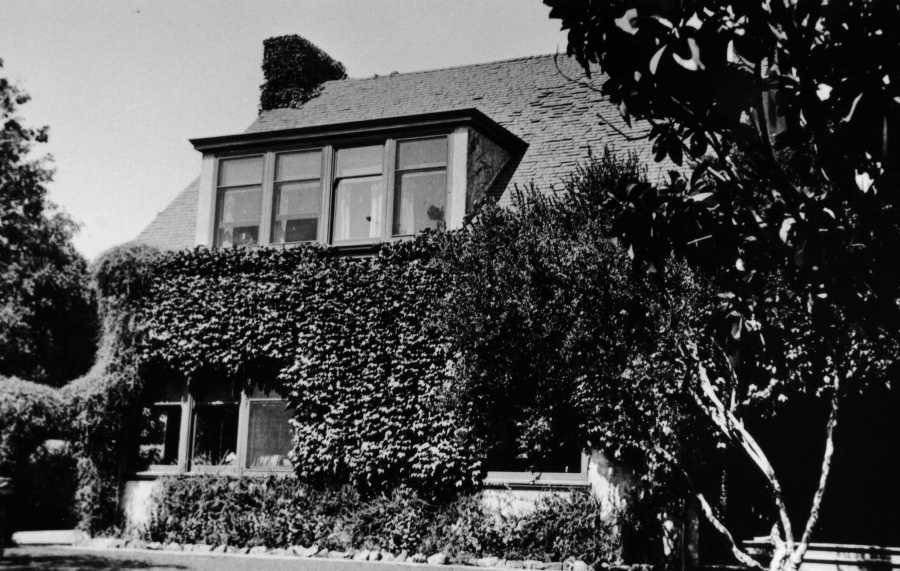
The Museum of American Heritage (MOAH) is a 2-in-1 institution. We are a history of technology museum situated in the historic Tudor Revival style home of Dr. Thomas Marion Williams and Dora Moody Williams.
Our Mission
Who We Are
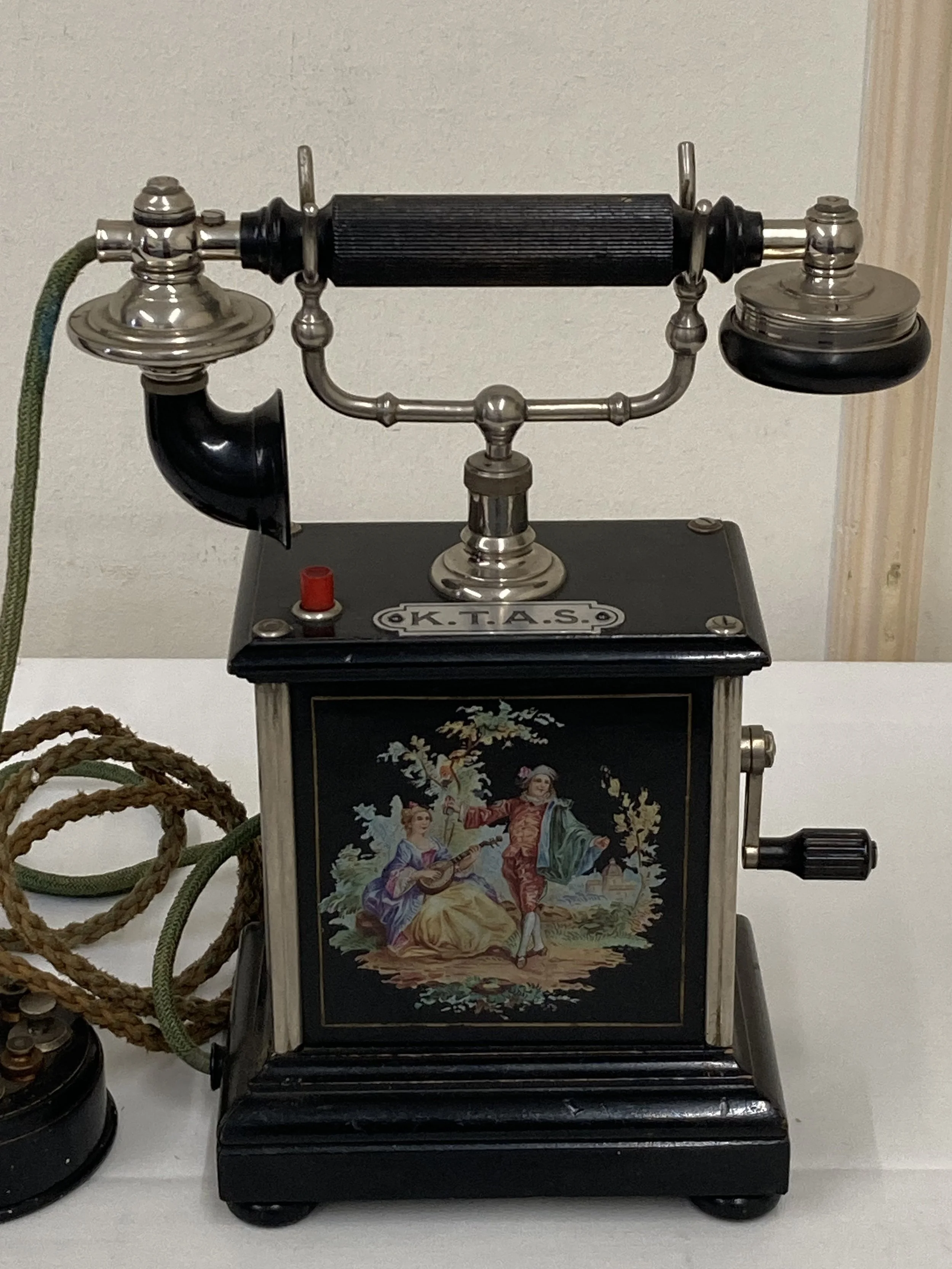
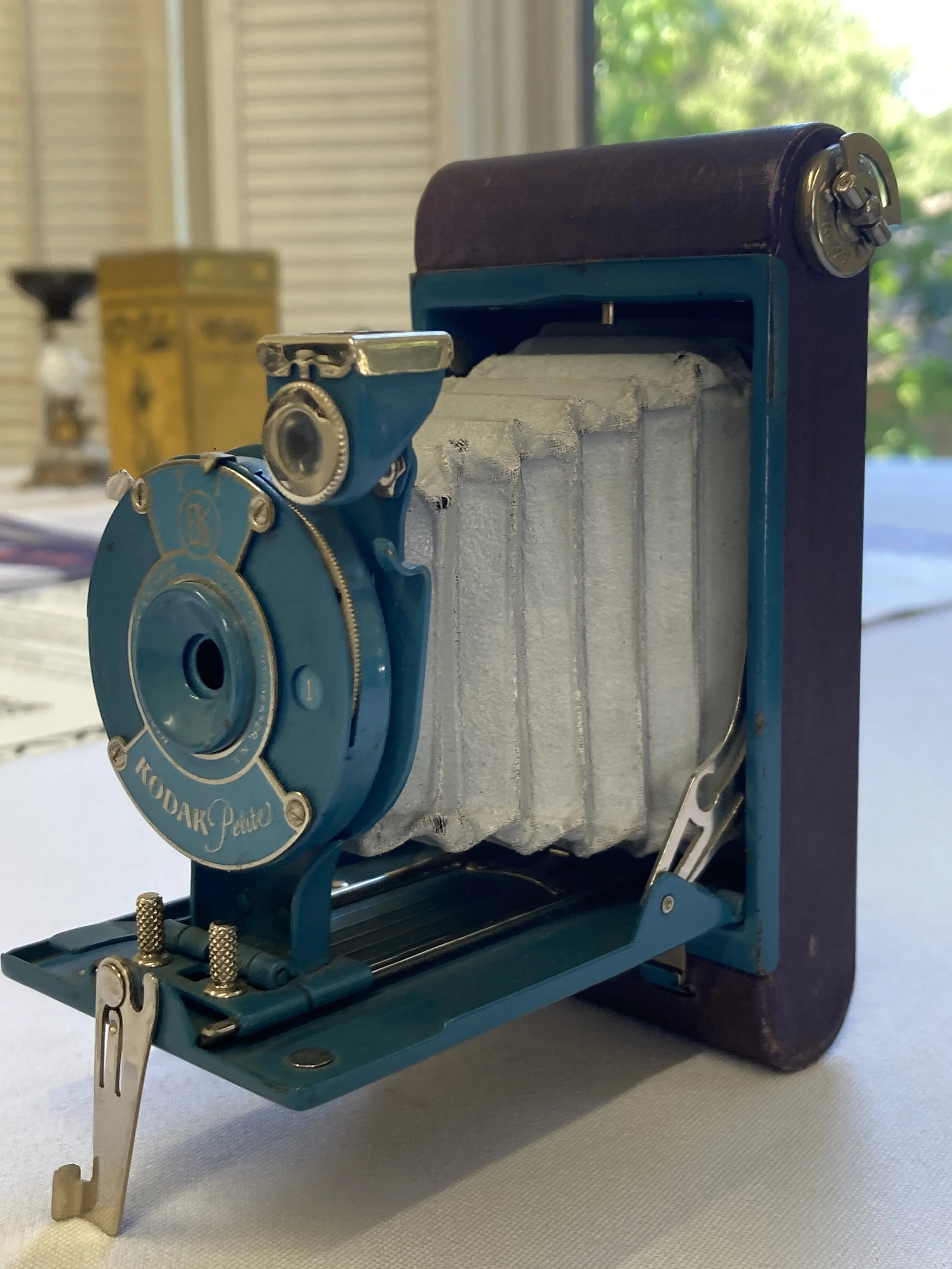
The Museum of American Heritage showcases technological innovations that transformed the United States from the “manifest destiny” era through the computer era. The artifacts in our collection situate visitors in a time of revolutionary change in American culture: from the Civil War to World War II, from the Morse code communication of a telegraph to the instantaneous communication of a telephone, from the first transcontinental railroad to the first man on the moon.
By collecting, preserving, and exhibiting tools and technologies of the 19th and 20th centuries, we educate Bay Area communities about the influential inventions of the past that brought America into the future and create engaging communal experiences for locals and visitors to enjoy.
MOAH uses the Williams property as a valued artifact in telling this story of transformation. It is an architectural piece of history that helps us reconstruct how technology changed American lives before the digital age because it was the home of a family who participated in that change, from their roots on the East Coast in the 1800s to their final days in California in the late 1900s. Stepping into the Williams’s home and interacting with MOAH’s artifacts transports visitors to a time fading out of living memory and imbues humanity and meaning back into the surviving technological objects of the period.
Tangibly connecting Bay Area communities to pre-digital-era innovation by preserving and sharing the technologies that transformed life in America from the telegraph to the moon landing.
Frank Livermore, MOAH Founder
The Museum of American Heritage was birthed from the curious proclivities of Frank Livermore (1919-2000), a Menlo Park accountant. In the early 1960s, Frank happened upon an antique Standard vacuum sweeper in a local junk shop. Intrigued by its mechanics, Frank purchased the sweeper. Over the next 20 years, Frank filled his home with all manner of vintage mechanical, electrical, and technological objects.
When a friend gave Frank a plaque that read “Smithsonian West” to hang in his cluttered home, he began to seriously consider starting a museum. A fortuitous sale of stock provided funding for the fledgling project and, assisted by his friend and attorney, Perry Moerdyke, Frank incorporated his museum in 1985.
For the first few years, MOAH’s founders collected and catalogued artifacts and created portable exhibits to show at temporary locations. In 1990, the museum opened to the public in a former BMW dealership building in Palo Alto. In 1994, the City of Palo Alto awarded MOAH stewardship of the historic home of Dr. Thomas Williams at 351 Homer Avenue. The Museum restored the historic house and garden and built the Frank Livermore Learning Center in honor of its founder, opening anew to the public in 1998.
While MOAH rents the Williams property from the City of Palo Alto for a nominal fee, all maintenance costs for the house and garden are shouldered by the museum. Since our organization receives no federal or state money for the upkeep of the museum and the Williams House, we rely heavily on donations.


Read Frank’s obituary in the SAN FRANCISCO CHRONICLE and the PALO ALTO WEEKLY
The Williams Property
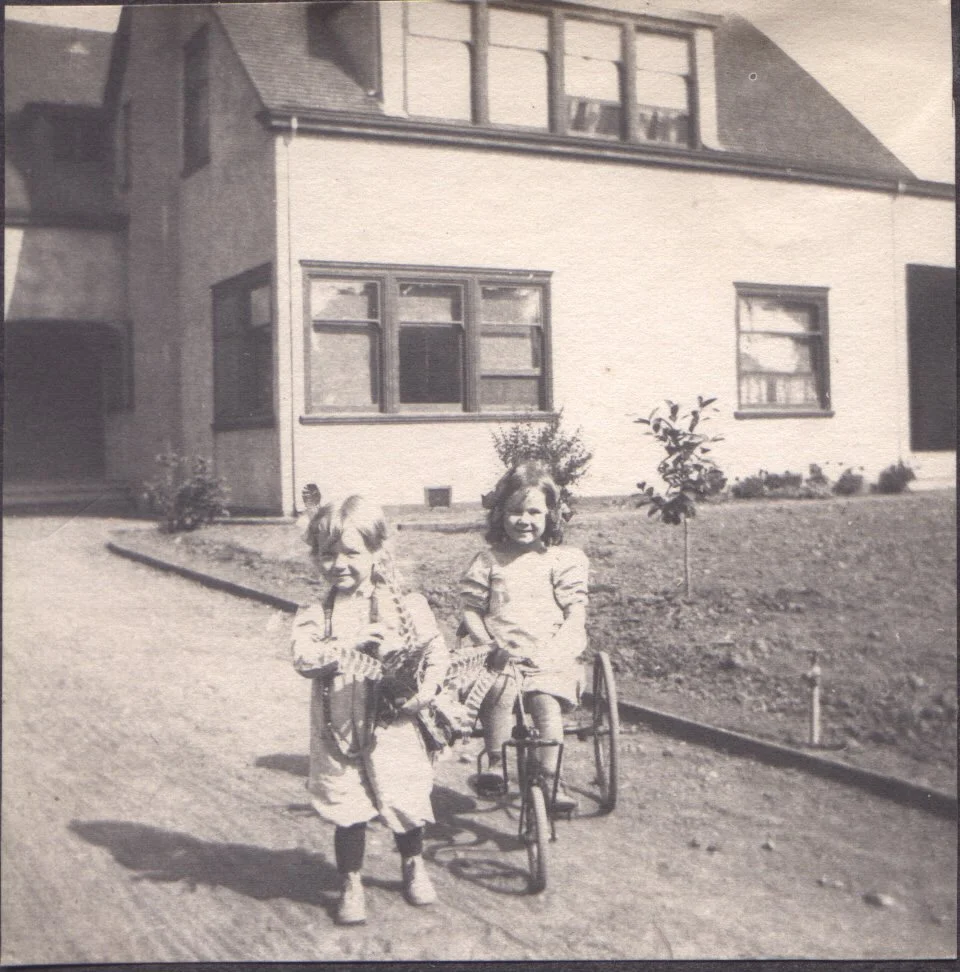
The Museum of American Heritage occupies the home of Dr. Thomas Marion Williams, his wife Dora Moody Williams, and their daughters, Betty (Elizabeth) and Rhona. Dr. Tom, as he was colloquially known, was one of Palo Alto’s first resident doctors. The home was designed by noted Bay Area architect Ernest Coxhead and completed in 1907 for $6,000. It is a Tudor Revival style house, featuring Craftsman style interiors, an open floor plan, and a medical wing. Together, the house and garden comprise about two-thirds of an acre.
Dr. Tom and Dora were prominent members of the Palo Alto and Stanford communities, active in the economic and cultural life of the Peninsula. Their daughters lived full lives in each other’s company and split their time between the Palo Alto home and the family’s La Honda ranch.
When Rhona, the youngest child, died in 1989, she bequeathed the home and garden to the City of Palo Alto, with the proviso that the property be used for cultural purposes in honor of her parents.


Dora’s Garden
The Williams garden was the creation of Dora Moody Williams. Dora’s garden design is representative of early 20th-century residential landscapes. Her layout featured a series of “outdoor rooms,” which were demarcated by pathways, stones, border plantings, and walls. Dora decorated her “rooms” with various ornaments and water features, often selected on the family’s trips abroad. The garden “rooms” were suited to different purposes—specifically, lawn space, flower space, and practical space for growing food and composting.
During the 1990s, MOAH hired an expert team to restore the garden’s original character and preserve its existing features as much as possible. Today, a professional gardener and a team of volunteers maintain the landscape and grow food on the property, which we donate to local food banks.
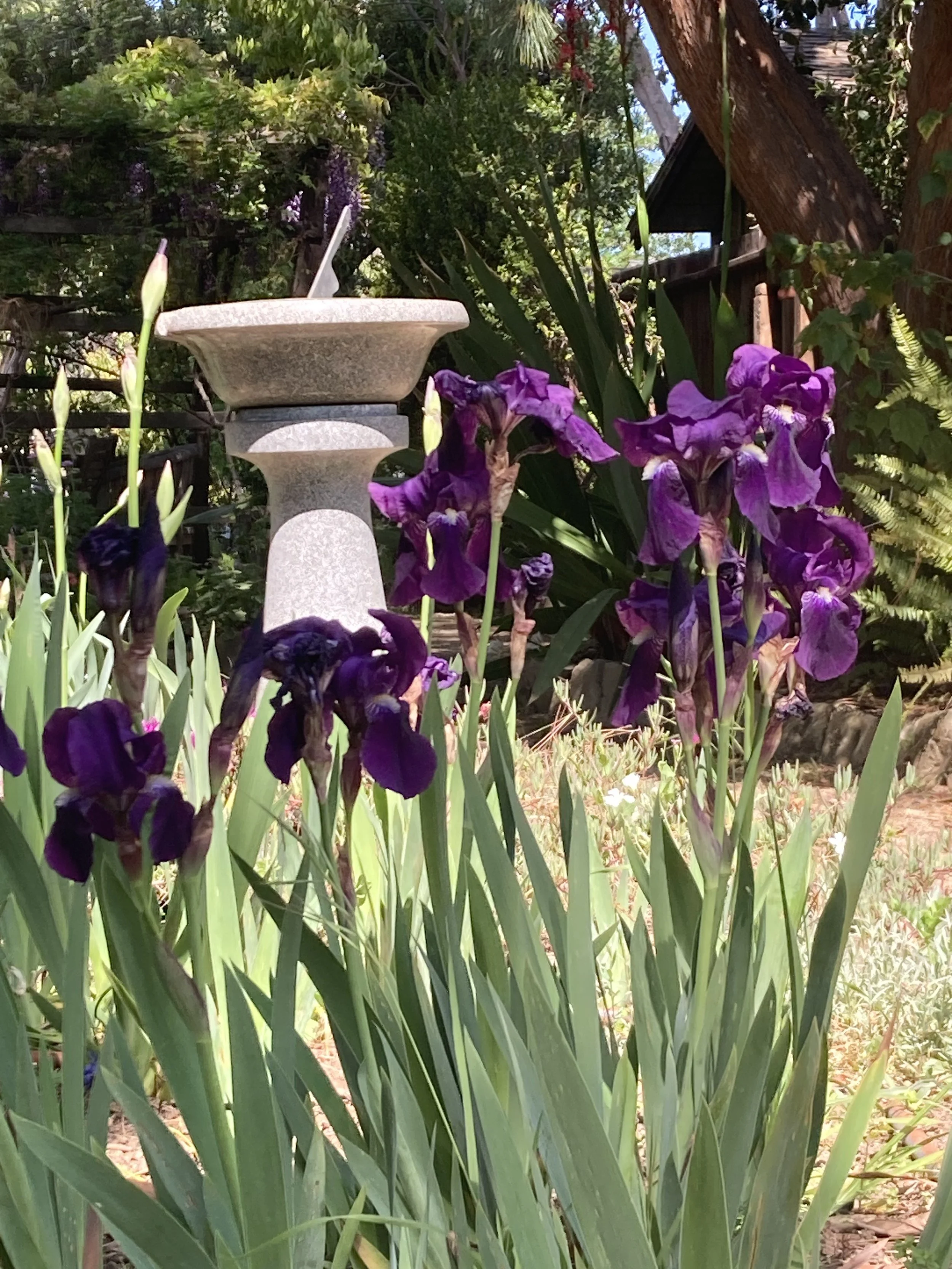
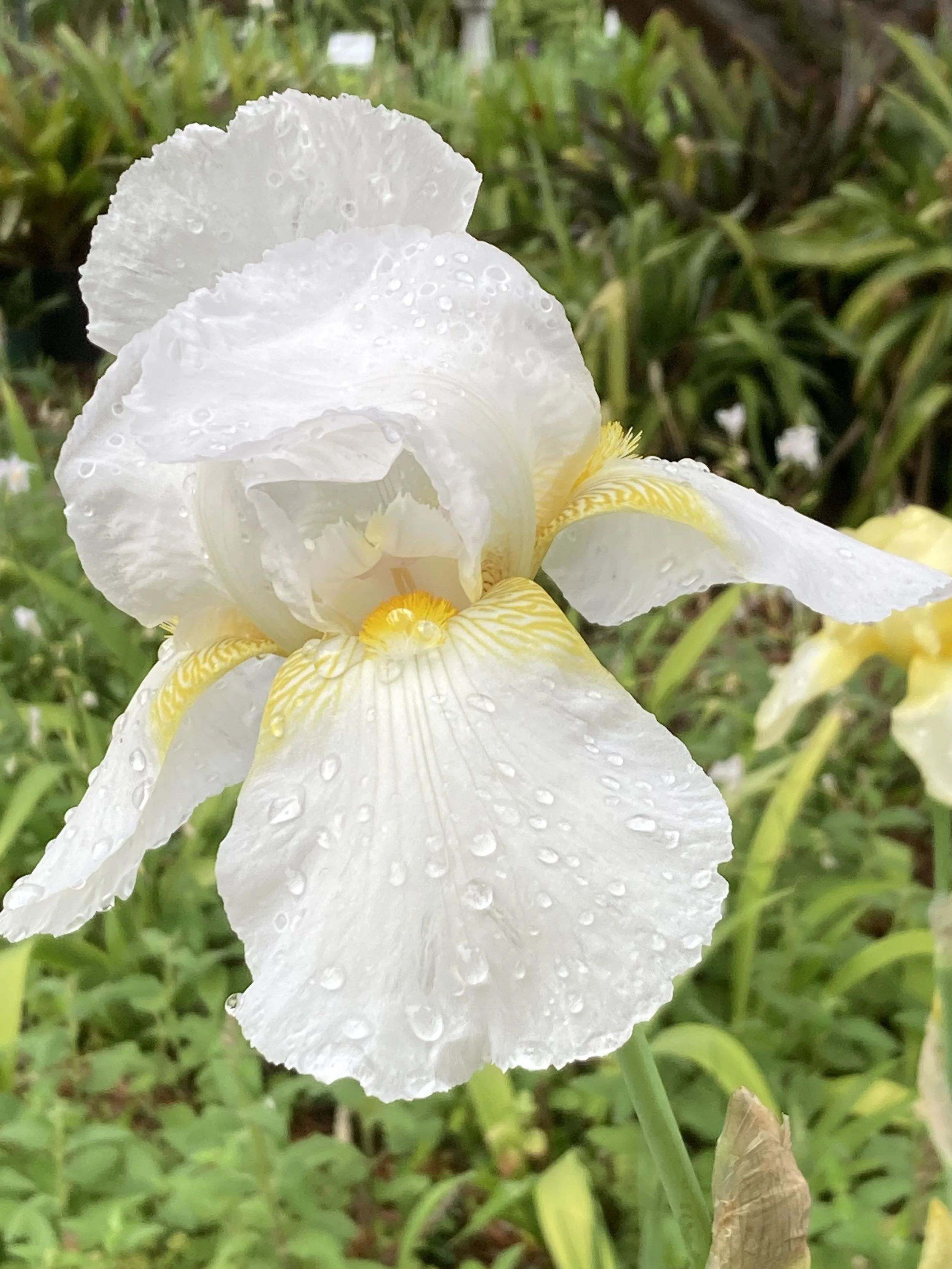
Fun fact: Dora’s favorite flower was (reportedly) the bearded iris, a plant that still occupies a prominent place in the garden (pictured here).

“We greatly appreciate such dedicated volunteers sharing their time to spread and maintain the early history of our area”
— Linda, Santa Cruz, CA